
Estimated Reading Time: 5 minutes
Key Takeaways
- Changes in temperature, humidity and wind can weaken the skin barrier, leading to redness and increased sensitivity.
- Professional facial treatments help restore hydration, strengthen the skin barrier and calm weather-related irritation.
- A gentle skincare routine and personalised professional advice can help keep your skin balanced throughout every season.
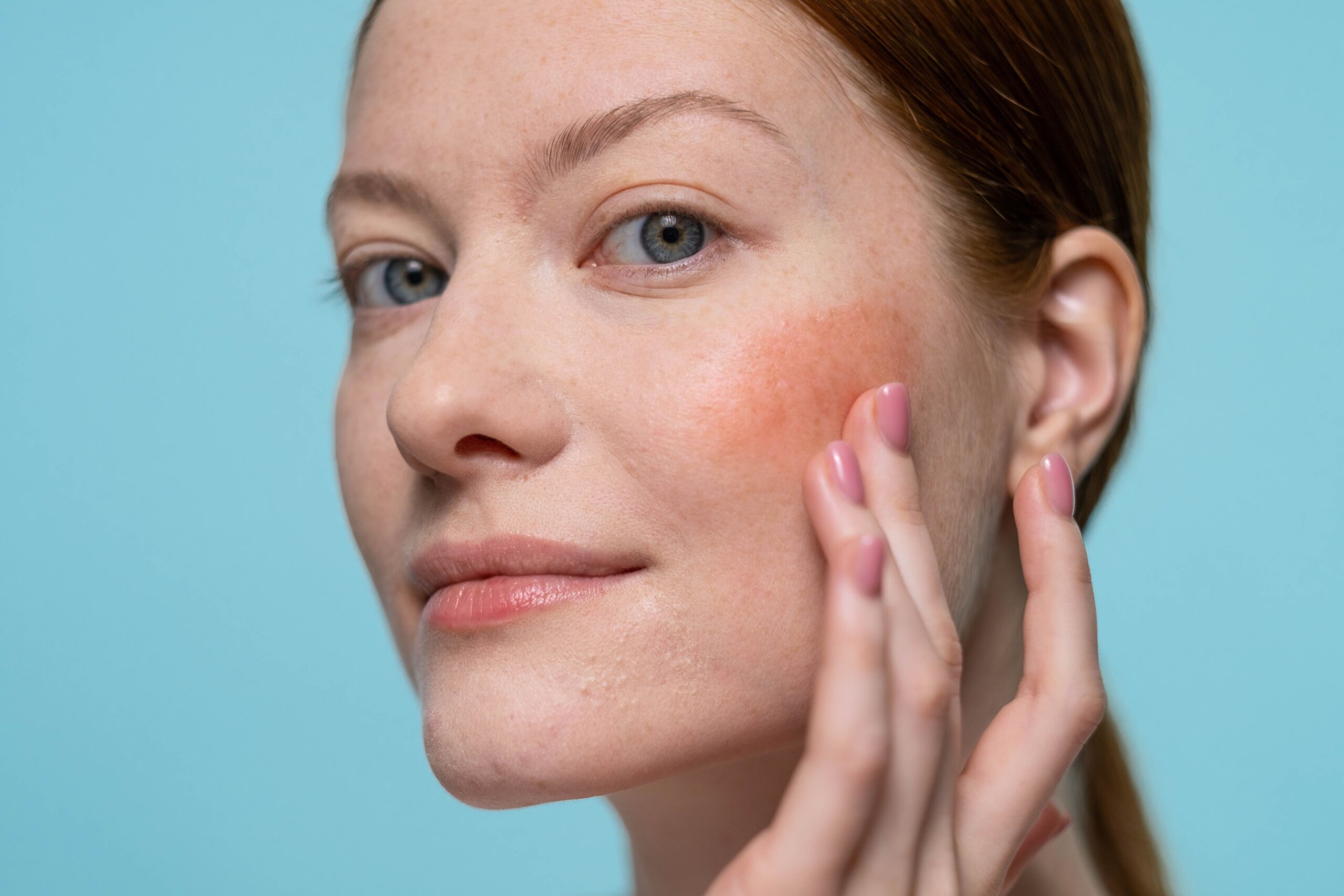
Have you ever noticed your skin becoming red, tight or irritated as the seasons change or after a sudden shift in the weather? You’re not imagining it. Changes in temperature, humidity and wind can all affect the way your skin functions, sometimes leaving it looking more reactive than usual. At Escape Skin & Body,, we often see clients whose skin becomes more sensitive during seasonal transitions. The good news is that weather-related redness is often temporary and can be managed with the right skincare and professional support. Let’s take a closer look at why weather changes can trigger skin redness and how you can help keep your complexion calm and comfortable throughout the year.
Why Does the Weather Affect Your Skin?
Your skin acts as a protective barrier, shielding your body from the environment while helping to retain moisture. When the weather changes suddenly, your skin has to adapt quickly, which can temporarily weaken this protective barrier.
Common environmental changes that affect the skin include:
- Cold temperatures
- Dry air and low humidity
- Wind exposure
- Indoor heating during winter
- Increased UV exposure during warmer months
These factors can reduce moisture levels in the skin, making it more vulnerable to irritation and visible redness.
A Compromised Skin Barrier
One of the main reasons skin becomes red after weather changes is because the skin barrier becomes compromised.
A healthy skin barrier helps keep moisture in and irritants out. When it’s weakened, your skin may experience:
- Redness or flushing
- Dryness and tightness
- Increased sensitivity
- Stinging after applying skincare
- Rough or flaky patches
Rather than trying to treat the redness alone, it’s important to support the barrier so the skin can repair itself naturally.
Cold Weather and Reduced Humidity
Winter is one of the most common times for skin redness to appear. Cold outdoor temperatures combined with indoor heating reduce the amount of moisture in the air, causing water to evaporate from the skin more quickly. As hydration levels drop, the skin can become dry, irritated and more prone to redness. Hydrating and barrier-supporting facial treatments can help replenish moisture while calming the skin during these seasonal changes.
Warm Weather Can Also Trigger Redness
It’s not only winter that affects the skin. Hot weather, increased sun exposure and humidity can also contribute to redness by increasing blood flow to the skin’s surface. For some people, this may trigger flushing or worsen existing sensitivity.
Sweat, sunscreen buildup and environmental pollutants can also contribute to congestion, making already-sensitive skin feel even more reactive. Protecting your skin with daily SPF and maintaining a gentle cleansing routine becomes especially important during the warmer months.
Other Factors That Can Make Redness Worse
Weather changes often occur alongside changes in lifestyle, which can also influence your skin.
Common contributors include:
- Stress
- Lack of sleep
- Dehydration
- Over-exfoliating
- Trying new skincare products
- Spending more time indoors with heating or air conditioning
When several of these factors occur together, your skin may become more reactive than usual.
How Professional Treatments Can Help
If your skin regularly becomes red or sensitive during seasonal changes, professional treatments can help strengthen the skin rather than simply masking the symptoms.
Depending on your skin’s needs, your therapist may recommend treatments that focus on:
- Restoring hydration
- Strengthening the skin barrier
- Calming inflammation
- Supporting healthy circulation
- Improving overall skin resilience
Our personalised skin treatments are tailored to your skin’s condition, ensuring every treatment supports long-term skin health rather than providing only temporary relief.
Simple Ways to Support Sensitive Skin at Home
Alongside professional care, a few simple adjustments can help minimise weather-related redness.
These include:
- Cleansing with lukewarm rather than hot water
- Applying moisturiser while the skin is still slightly damp
- Avoiding harsh scrubs and excessive exfoliation
- Wearing sunscreen every day
- Drinking enough water to support hydration
- Protecting your face from cold wind with a scarf or hat when needed
These habits help strengthen the skin barrier and reduce unnecessary irritation.
When Should You Seek Professional Advice?
Occasional redness during seasonal changes is common. However, if your skin remains persistently red, uncomfortable or sensitive despite changing your routine, it may be time to seek professional guidance. A personalised skin consultation allows us to assess your skin, identify possible triggers and recommend treatments that are suited to your skin’s unique needs.
Helping Your Skin Stay Calm Throughout the Seasons
Weather changes are a natural part of life, but they don’t have to leave your skin feeling uncomfortable. With the right combination of gentle skincare, healthy habits and professional support, you can strengthen your skin barrier and reduce seasonal redness over time. At Escape Skin & Body, our holistic approach focuses on helping your skin adapt to changing conditions while maintaining long-term health, comfort and radiance. If weather changes have left your skin feeling red, dry or sensitive, we’re here to help.
Explore our facial treatments or book a personalised skin consultation to discover the best approach for your skin. When you’re ready to take the next step, you can also get in touch with our friendly team.