
Estimated Reading Time: 5 minutes
Key Takeaways
- Uneven skin texture can be caused by dryness, congestion, blemishes, acne, dead-cell buildup, sun exposure or natural changes within the skin.
- The right facial treatment depends on the underlying cause, with some complexions needing hydration while others benefit from gentle exfoliation or decongesting care.
- Consistent homecare combined with personalised professional treatments can support smoother, healthier-looking skin without compromising on a pampering and relaxing experience.
Smooth, even skin is something many of us would love to have all the time, but real skin naturally changes. You might notice small bumps across your forehead, rough patches around your cheeks, visible pores or areas that simply don’t feel as soft as they once did. Sometimes these changes appear gradually, while at other times they seem to arrive almost overnight.
At Escape Skin & Body in Hobart, we believe improving skin texture begins with understanding what’s causing it. Dryness, congestion, blemishes, sun exposure and changes in the skin’s natural renewal process can all play a part. Once you understand what your skin is experiencing, choosing the right homecare and professional support becomes much easier.
What Does Uneven Skin Texture Look and Feel Like?
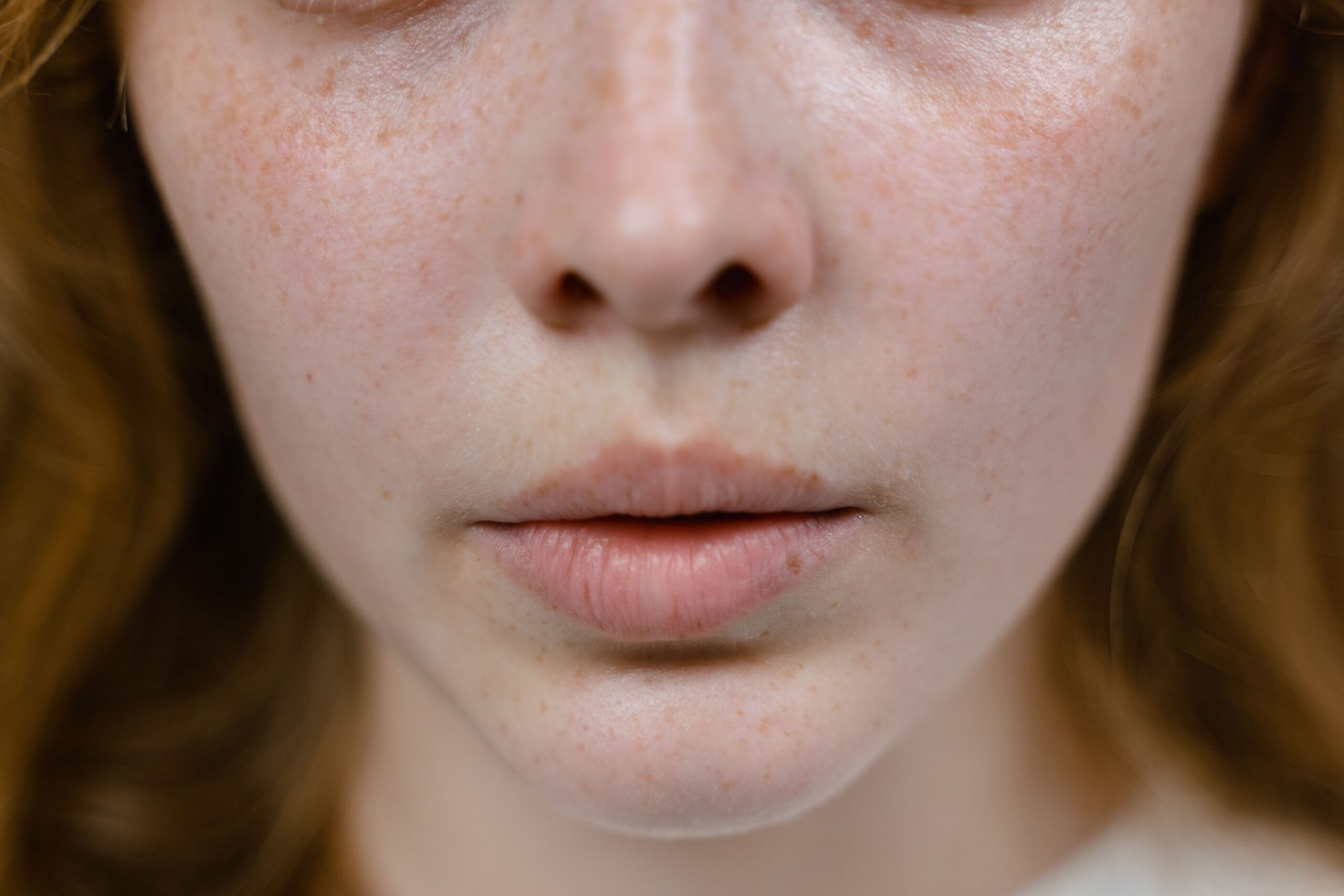
Uneven texture is a broad term rather than a single skin condition. For some people, it means dry or flaky areas. For others, it may look like enlarged pores, small bumps, blackheads or marks left behind after breakouts.
Texture can also change as we age. Collagen levels and natural cell renewal change over time, which may make the surface feel less smooth than it did previously. This is why a professional facial treatment should be selected according to what’s causing the unevenness rather than treating every textured complexion in exactly the same way.
Can Dryness Make Your Skin Feel Rough?
Absolutely. When the skin lacks sufficient moisture and natural oils, its surface can become flaky, tight or rough. A weakened skin barrier may also make the complexion more sensitive to weather, cleansing and active skincare ingredients.
It can be tempting to exfoliate rough patches away, but repeatedly scrubbing dry skin may leave the barrier feeling even more uncomfortable. Hydration and nourishment are often a better place to begin. If dryness is contributing to the problem, a professional facial for dryness can focus on restoring moisture and supporting the barrier while gently improving the skin’s surface.
How Do Congestion and Blemishes Affect Skin Texture?
Blemishes don’t always appear as obvious inflamed spots. Oil, dead cells and other debris can accumulate within pores, contributing to blackheads, whiteheads and small bumps that make the surface feel uneven. Over-cleansing can sometimes complicate matters. Stripping away too much of the skin’s natural oil may cause irritation without addressing what’s actually contributing to the congestion.
Gentle cleansing, appropriate exfoliation and professional care can help keep pores clearer while respecting the skin barrier. The aim isn’t to scrub your complexion perfectly smooth, it’s to create an environment where healthy skin function can be supported.
Why Can Acne Leave Uneven Texture Behind?
Active acne can change the skin’s texture through inflammation and congestion. After a breakout settles, some people may also be left with post-inflammatory colour changes or scarring. It’s important to distinguish between these concerns because they don’t necessarily require the same approach. Marks that look different in colour aren’t the same as indented or raised acne scars.
For ongoing acne and problematic skin concerns, a personalised approach can help address congestion and support skin health without unnecessarily aggravating active inflammation. More persistent or severe acne may also require assessment by an appropriate healthcare professional.
Can Dead Skin Buildup Make Your Complexion Look Uneven?
Your skin naturally sheds old cells, but when they remain on the surface, your complexion may begin to feel rough and look dull. Skincare and makeup may not sit quite as smoothly either. Professional exfoliation can help when it’s suitable for your skin.
Depending on its condition, this might involve gentle resurfacing rather than aggressive exfoliation. The important thing is balance. Removing too much too frequently can disrupt the barrier and create sensitivity, which rather defeats the purpose.
Does Sun Exposure Affect Skin Texture?
UV exposure can affect more than skin tone. Over time, it can contribute to changes in collagen and elastin, as well as dryness and a rougher-looking surface. Daily broad-spectrum sunscreen is therefore an important part of maintaining healthy-looking texture. It also becomes particularly important when you’re using exfoliating skincare or undergoing professional treatments. Protecting the skin you already have is just as valuable as treating the concerns you can see.
Can Facial Treatments Improve Uneven Skin Texture?
Professional facials can support smoother-looking skin, but the most suitable option depends on why your texture has changed in the first place. One person may benefit from hydration and barrier support, while another may need help with congestion or controlled exfoliation. Treatments such as microdermabrasion may be appropriate for certain skin types, but aren’t automatically the answer for every textured complexion.
A facial can also be both results-focused and pampering and relaxing. Taking time to unwind doesn’t mean compromising on thoughtful skin care. In fact, a personalised treatment can provide space to relax while your therapist focuses on what your complexion actually needs.
What Can You Do at Home for Smoother-Looking Skin?
Consistency tends to be more helpful than constantly introducing something new. A gentle cleanser, suitable moisturiser and daily sun protection provide a strong foundation, while exfoliation should be chosen according to your skin type and tolerance.
Try to resist picking at blemishes or squeezing congested pores, as this can increase irritation and potentially contribute to marks or scarring. And if your skin suddenly becomes rough, inflamed or unusually sensitive, piling on more active ingredients isn’t always the answer. Skin changes over time, so a routine that once worked beautifully may occasionally need adjusting.
How Can You Find the Right Treatment for Your Skin?
Uneven skin texture can have several causes, from dryness and dead-cell buildup to blemishes, acne and environmental damage. Understanding what’s happening beneath the surface allows you to care for your complexion without overwhelming it.
At Escape Skin & Body, we take a personalised approach that balances skin health with a pampering and relaxing experience. If you’re unsure what’s contributing to your texture, start with a skin consultation or get in touch with our team for guidance.