
Estimated reading time: 5 minutes
Key takeaways
- A chemical peel uses an exfoliating solution to shed dead skin cells evenly, revealing smoother, brighter skin.
- Peels come in three depths: superficial, medium and deep. All peels at Escape Skin & Body are gentle, superficial peels.
- Peels can help with dullness, rough texture, congestion, pigmentation and fine lines.
- Downtime is minimal: slight pinkness for a few hours, and possibly light flaking for a few days.
- Aftercare matters. Be gentle with your skin, don’t pick, moisturise often and wear SPF 30+ every day.
- For lasting results, a course of six peels is recommended.
- Check with your therapist first if you’re pregnant, on prescription skin medication, or have broken or sunburnt skin.
What Is a Chemical Peel?
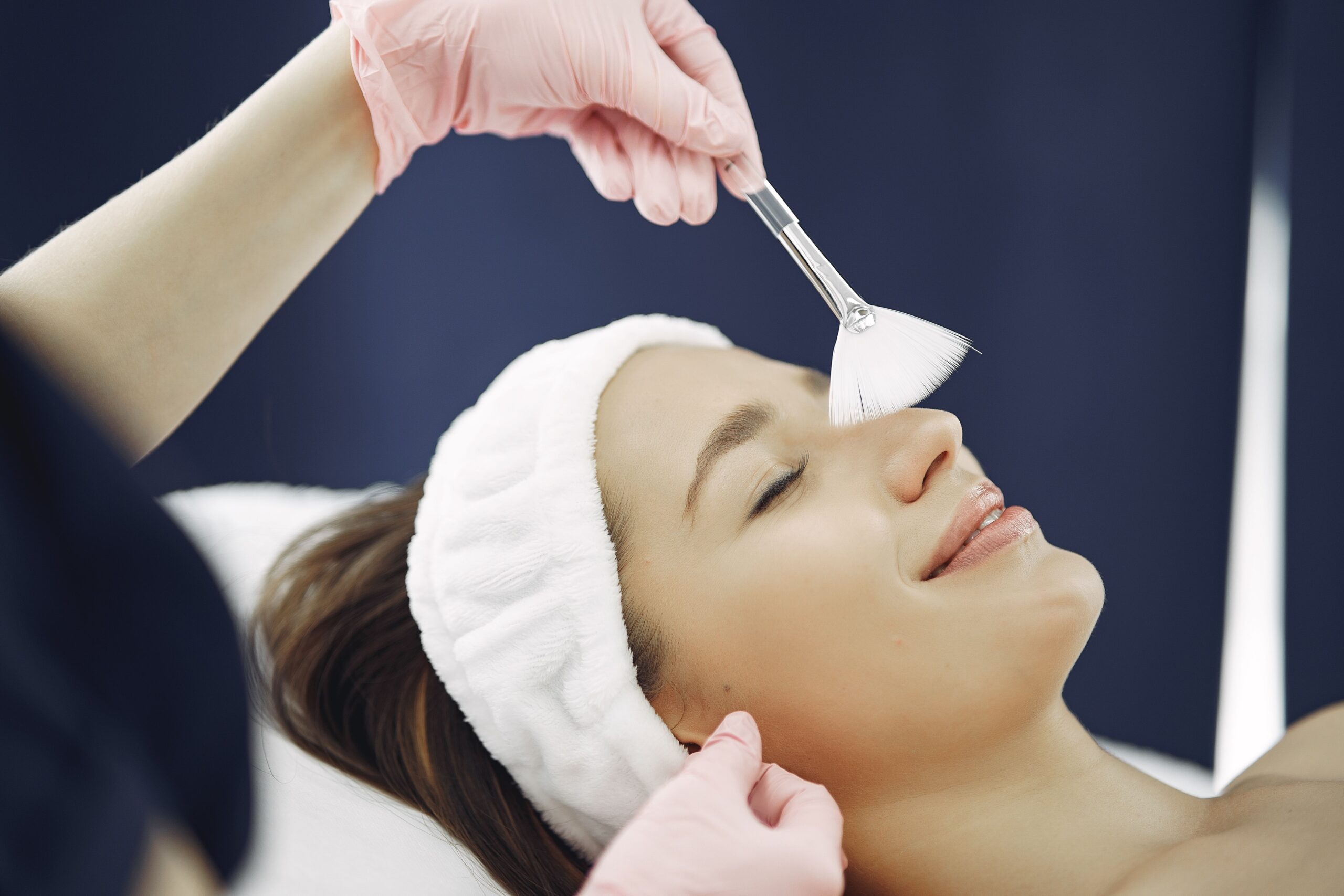
A chemical peel is a professional treatment that applies an exfoliating solution to the skin. It loosens the bonds that hold dead skin cells together, so they shed more evenly. The fresh skin underneath looks smoother, brighter and more even in tone.The word “peel” sounds dramatic, but most salon peels don’t cause visible peeling at all. Many people see nothing more than a light glow, or some fine flaking for a few days. The strength of the peel, and how deep it works, decides how much your skin reacts. In this guide, we explain the main types of peels, what they can help with, what to expect on the day, and how to care for your skin afterwards.
Types of Chemical Peels
Peels are grouped by how deeply they work in the skin.
- Superficial (light) peels are offered in beauty and skin salons. They use gentle ingredients such as glycolic, lactic, mandelic and salicylic acids, or fruit enzymes. Recovery ranges from none to about a week of mild flaking.
- Medium peels are performed in medical clinics, usually with trichloroacetic acid (TCA). Expect 7 to 14 days of swelling and peeling.
- Deep peels use phenol and are only done in medical settings, with 14 to 21 days or more of recovery.
All peels at Escape Skin & Body are superficial peels. They’re gentle enough to fit into your week, and they build results over a course of treatments.
The Peels We Offer
- Glycolic / Lactic peel. These alpha hydroxy acids (AHAs) lift away the dry surface layer while cleansing, unclogging and hydrating. It suits all skin types and is a great refresher.
- Mandelic peel. Mandelic acid comes from bitter almonds and has a larger molecule, so it works more gently. It’s a good choice for acne-prone skin, uneven tone and brown patches, and it can suit skin prone to redness.
- Azyme peel. Retinol (vitamin A) and fruit enzymes encourage new cell turnover and clear congestion, with zero downtime.
- Peel with ultrasound infusion. A peel followed by ultrasound, which helps nourishing serums absorb more deeply for a glossy finish.
See prices and courses on our Facial Peels page.
What Can a Chemical Peel Help With?
A course of superficial peels can help with:
- Dull, tired-looking skin, by clearing the build-up of dead cells that scatters light
- Rough or uneven texture, for a smoother surface that makeup sits better on
- Congestion and breakouts, as acids like mandelic and salicylic help keep pores clear (see our acne treatments)
- Uneven tone and pigmentation, by gradually fading sun spots and dark patches (see our pigmentation treatments)
- Fine lines, by encouraging fresher skin cells to the surface
- Better results from your skincare, as products absorb more easily into freshly exfoliated skin
Peels also feature in our guide to the top 5 anti-ageing treatments, if fine lines and loss of radiance are your main concern.
Chemical Peel or Classic Facial?
A classic facial cleanses, nourishes and relaxes. A peel works more directly on texture, congestion and uneven tone. Your therapist can recommend which suits your goals, or how a peel fits into your regular facial routine.
Who Should Avoid a Peel?
A peel may not be right for you, or may need to wait, if you:
- Are pregnant or breastfeeding (some acids aren’t recommended)
- Use prescription retinoids or acne medication such as isotretinoin
- Have sunburn, broken skin, active cold sores or a flare of eczema or rosacea
- Have recently had waxing, laser or injectables on the treatment area
- Have a deeper skin tone and a history of pigmentation after irritation, as the peel and strength need careful choosing
Always tell your therapist about your medications and skin history. If you’re unsure, start with a skin consultation, which uses Observ® skin analysis to see what’s happening beneath the surface.
What to Expect During and After Your Peel
On the Day
Your therapist cleanses your skin and applies the peel solution. You might feel a warm tingle or a mild itch for a few minutes, which is normal. Your therapist watches your skin closely the whole time and neutralises or removes the peel when it’s done its job. Your treatment finishes with soothing products and sun protection.
Is There Downtime?
With a superficial peel, there’s little to no downtime. Most people go about their day as usual. Here’s what’s typical:
- Straight after: skin may look slightly pink, like a light blush, for a few hours.
- Days 2 to 4: skin can feel a little tight or dry, and you may notice some fine, light flaking.
- Days 5 to 7: the fresh skin underneath looks smoother and brighter.
Our Azyme peel is designed to be zero-downtime. A good tip is to book it on a Monday, so your skin is looking its best by the weekend.
If you have a special event, book your peel at least a week beforehand, especially if it’s your first one.
Chemical Peel Aftercare
Good aftercare protects your skin and helps your results last. The tips below are specific to peels. For general advice after any treatment, see our post-facial skincare tips.
- Be gentle. Use a mild cleanser and lukewarm water for the first few days.
- Don’t pick or peel. Let any flakes shed on their own to avoid marks.
- Moisturise often to ease tightness and support your skin barrier.
- Wear SPF 30 or higher every day. New skin is more sensitive to the sun, and Tasmania’s UV can be strong even on cool, cloudy days.
- Pause actives such as retinol, acids and scrubs for about a week, or as your therapist advises.
- Skip heat for 24 to 48 hours, including saunas, hot yoga and intense workouts.
How Many Peels Will I Need?
One peel gives an instant refresh. For lasting changes in texture, breakouts or pigmentation, a course works best. We recommend a course of six peels for best results, usually spaced a couple of weeks apart. Prepaid courses are available for our Glycolic / Lactic and Mandelic peels.
FAQs:
Does a Chemical Peel Hurt?
A superficial peel shouldn’t hurt. Expect a warm tingle for a few minutes. Tell your therapist if it ever feels too intense.
Will My Skin Visibly Peel?
Often not. Light flaking is common, but sheet-like peeling is more typical of medium and deep medical peels.
When Can I Wear Makeup?
Ideally, wait until the next day so your skin can settle.
Can I Have a Peel in Summer?
Yes, as long as you’re diligent with SPF and avoid direct sun. Many people still prefer cooler months for a course of peels.
Book a Facial Peel in Hobart
Ready for smoother, brighter skin? Our therapists at Escape Skin & Body will match the right peel to your skin and goals. Explore our facial peels, book online, or call us on (03) 6223 3433. You’ll find us at the Ground Floor, T&G Building, corner of Collins and Murray Streets, Hobart.